Eid al-Fitr
Celebrate Eid al-Fitr, marking the end of Ramadan with prayer, family gatherings, charity, and festive meals. Share the joy, gratitude, and unity of this special day.

Yearly DateShawwal 1st (Islamic calendar)
TypeDay
ClassObservance
Category
Religious
Country
International
Introduction
Eid al-Fitr is one of the most important Islamic holidays, celebrated by Muslims around the world at the end of Ramadan. After a month of fasting, prayer, and reflection, Eid marks a joyful day of gratitude, generosity, and togetherness. Families wake up early for special Eid prayers, wear new or beautiful clothes, and gather to share festive meals and sweets. It is also a time to give to charity, known as Zakat al-Fitr, ensuring that everyone can take part in the celebration.
More than just a holiday, Eid al-Fitr is a celebration of faith, community, and compassion. From large public gatherings to intimate family moments at home, the spirit of Eid brings people closer. Across different cultures and countries, traditions may vary, but the message remains the same: unity, kindness, and thankfulness after the blessed month of Ramadan.
🌙 Eid al-Fitr Countdown
Tuesday
9
March 2027
Loading...
Eid al-Fitr Timeline
624 CE
The Origins of Eid al-Fitr
Eid al-Fitr was established by the Prophet Muhammad after his migration (Hijrah) from Mecca to Medina. Muslims believe the celebration began in 624 CE following the first Ramadan fast in Islamic history. The festival was introduced as a day of prayer, gratitude, charity (Zakat al-Fitr), and community celebration.
7th–10th Centuries
Early Islamic Expansion
As Islam spread across the Middle East, North Africa, and parts of Europe and Asia, Eid al-Fitr became an important religious holiday throughout the growing Muslim world. Communities developed unique cultural traditions while maintaining the core practices of prayer and charity.
1500s
Eid al-Fitr Becomes a Global Celebration
By the 15th and 16th centuries, Islam had expanded into Sub-Saharan Africa, South Asia, Southeast Asia, and parts of Europe. Eid al-Fitr became widely celebrated across diverse cultures, blending local customs with Islamic traditions.
1800s
Western Awareness of Eid
During the 19th century, Western nations such as the United States and Great Britain became more aware of Eid al-Fitr through trade, diplomacy, and growing Muslim communities. The holiday gradually gained recognition outside Muslim-majority countries.
1960s - 1980s
Growing Muslim Communities in the West
Immigration led to the rapid growth of Muslim populations in North America and Europe. Eid al-Fitr celebrations became more visible, with public prayers, community events, and interfaith engagement increasing each year.
1996
Eid Stamp Introduced in the United States
The United States Postal Service (USPS) issued its first Eid stamp, officially recognizing Eid al-Fitr and Eid al-Adha. This marked an important milestone in acknowledging Islamic holidays in America.
2015
Public School Closures in Major U.S. Cities
New York City became one of the first major U.S. cities to officially close public schools for Eid al-Fitr, reflecting the growing recognition of the holiday’s importance to Muslim families.
2020
Virtual Eid Celebrations During COVID-19
Due to the global COVID-19 pandemic, many Muslims celebrated Eid al-Fitr at home. Virtual prayers, online gatherings, and digital greetings became common, showing the adaptability and unity of the global Muslim community.
Today
A Worldwide Festival of Faith and Unity
Today, Eid al-Fitr is celebrated by over 1.9 billion Muslims worldwide. It remains one of the most important Islamic holidays, marked by special prayers, festive meals, new clothes, charity giving, and joyful family gatherings across continents.
How to Celebrate Eid al-Fitr
1
Decorate Your Home for Eid
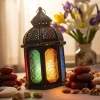
Begin your Eid al-Fitr celebration by decorating your home with festive touches. Use balloons, banners, fairy lights, lanterns (fanous), and crescent moon and star decorations to create a warm and joyful atmosphere. Eid décor helps build excitement, especially for children, and brings the spirit of the holiday into your living space.
2
Prepare Traditional Eid Food
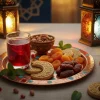
Food is a central part of Eid traditions. Families prepare special dishes such as biryani, kebabs, dates, and popular desserts like baklava and sheer khurma. Sharing meals with family, friends, and neighbors strengthens bonds and reflects the joy of the festival.
3
Give Charity (Zakat al-Fitr)
Giving to charity is an essential part of Eid al-Fitr. Muslims donate Zakat al-Fitr before the Eid prayer to help those in need celebrate the holiday. Acts of kindness and generosity are at the heart of this special day.
4
Attend Eid Prayers and Community Festivals
Start the day with the special Eid prayer at your local mosque or prayer ground. Many communities also organize Eid fairs and festivals with food stalls, cultural performances, and family-friendly activities.
5
Exchange Eid Gifts
Exchanging gifts is a beautiful Eid tradition. Give thoughtful presents such as clothes, sweets, books, toys, or handwritten cards to show love and appreciation.
Why Eid al-Fitr is Important
A
A Symbol of Unity and Togetherness
One of the greatest values of Eid al-Fitr is unity. Muslims from different cultures, countries, and backgrounds come together for Eid prayers, family gatherings, and shared meals. This global Muslim celebration strengthens community bonds, promotes mutual respect, and reminds people that faith connects millions across the world.
B
The Spirit of Charity and Generosity
Charity in Islam plays a central role during Eid al-Fitr. Through Zakat al-Fitr and acts of kindness, Muslims ensure that everyone — including those in need — can enjoy the celebration. This spirit of generosity makes Eid not only a joyful festival, but also a meaningful reminder to share blessings with others.
C
A Celebration of Faith, Patience, and Self-Discipline
Eid al-Fitr marks the completion of Ramadan, a sacred month of fasting from dawn to sunset. It celebrates the spiritual journey of self-discipline, reflection, and devotion to Allah. The holiday serves as a reminder of the patience, gratitude, and inner strength developed during Ramadan.
Eid al-Fitr FAQs
What is Eid al-Fitr?
Eid al-Fitr is a major Muslim holiday that marks the end of Ramadan, the holy month of fasting. The name literally means "Festival of Breaking the Fast."
When is Eid al-Fitr celebrated?
It is celebrated on the first day of Shawwal (the 10th month of the Islamic lunar calendar). Because it depends on the moon sighting, the date changes every year on the Gregorian calendar.
When is next Eid al-Fitr?
The next Eid al-Fitr is expected to begin on the Tuesday, March 9, 2027. Please note that the exact date may vary by one day depending on the sighting of the new crescent moon in your specific region.
How long does Eid al-Fitr last?
Traditionally, Eid is celebrated for three days, though festivities and public holidays can vary by country.
Why do Muslims celebrate Eid al-Fitr?
It is a celebration of gratitude to Allah for the strength and discipline given during the month-long fast of Ramadan. It’s a time of joy, worship, and community.
What is "Zakat al-Fitr"?
It is a mandatory charitable donation given to the poor before the Eid prayer. It ensures that everyone, regardless of their wealth, can enjoy a holiday meal.
How do Muslims pray on Eid?
Muslims perform a special congregational prayer called Salat al-Eid in the early morning at mosques or large open fields (Musalla).
What is the common greeting for Eid?
The most popular greeting is "Eid Mubarak," which means "Blessed Eid." Another common one is "Eid Sa'id," meaning "Happy Eid."
What kind of food is eaten on Eid?
While it varies by culture, Eid is often called the "Sweet Eid." People usually eat dates, cookies (like Ma'amoul or Kahk), and traditional dishes like Biryani or Sheer Khurma.
Do Muslims give gifts on Eid?
Yes! It is a big tradition to give "Eidi"—which is usually money or small gifts—to children and family members.
Is fasting allowed on the day of Eid?
No. In fact, it is forbidden (Haram) to fast on the first day of Eid al-Fitr because it is a day designated for feasting and celebration.
What are the common traditions of Eid?
Common traditions include wearing new clothes, visiting relatives, decorating homes, and gathering for large communal meals.
Is Eid al-Fitr the same as Eid al-Adha?
No. Eid al-Fitr follows Ramadan, while Eid al-Adha (the Festival of Sacrifice) happens later in the year during the Hajj pilgrimage season.
Top Emojis for Eid al-Fitr
🌙
The Crescent Moon (New Beginnings)
The crescent moon is the universal symbol for the start of the Islamic month. It signals that Ramadan has ended and the celebration of Eid has officially begun.
🕌
The Festive Mosque (Community Prayer)
This represents the Eid Gah or the mosque where Muslims gather in the early morning for the special congregational Eid prayer (Salat al-Eid).
🥘
The Eid Feast (Delicious Traditions)
Eid al-Fitr is all about the food! This emoji represents the large communal meals and traditional dishes shared with family and friends after a month of fasting.
🍪
The Sweet Treat (Sweet Eid)
Since Eid al-Fitr is often called the "Sweet Eid," this icon is perfect for highlighting traditional desserts like cookies, baklava, or dates.
🎁
The Eidi Gift (Sharing Love)
Giving "Eidi" (gifts or money) to children and loved ones is a core tradition. This emoji symbolizes the spirit of generosity and gift-giving during the holiday.
💌
The Eid Greeting (Heartfelt Wishes)
Perfect for digital greeting cards and "Eid Mubarak" messages, this symbolizes sending love and well-wishes to those who are far away.
👗
The New Eid Outfit (Dressing Up)
It is a Sunnah (tradition) to wear your best or new clothes on Eid. Use this to show off your Eid look or "Outfit of the Day" (OOTD).
❤️
The Heart of Gratitude (Thankfulness)
This represents the spiritual joy and the love shared between family members and the community during this blessed time.
🤝
The Eid Hug (Unity and Peace)
The "Eid Hug" is a famous tradition where people hug three times after the prayer. It symbolizes forgiveness, brotherhood, and peace.
Eid al-Fitr Dates
Year
Date
Day
2026
Mar 20
Friday
2027
Mar 9
Tuesday
2028
Feb 26
Saturday
2029
Feb 14
Wednesday
2030
Feb 4
Monday